
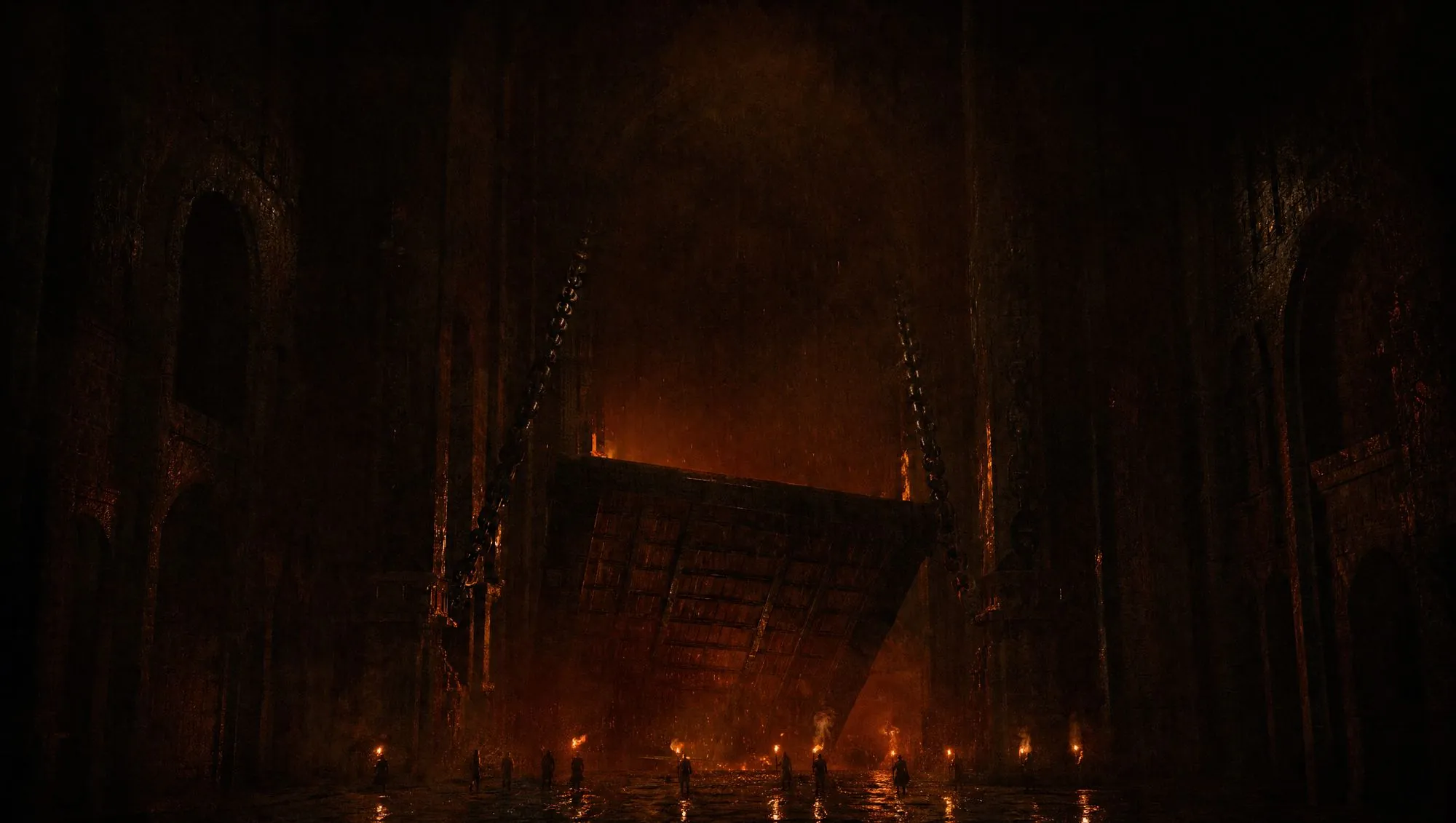
A recurring character,
on-brand in every take.
Building a short-form video engine around one repeatable, on-brand character is not a single prompt done well — it is three separate, specific failure modes, each found live, each fixed permanently rather than papered over.
What it actually takes to keep one character consistent
A character described well in a prompt is a suggestion. A character locked as its own reusable reference is a fact the next generation has to agree with.
The brief was ordinary: a recurring on-model character for a run of short-form social video, consistent enough that a viewer would recognise her from one clip to the next. The first attempts didn't hold — not because the likeness was wrong, but because the wardrobe drifted between takes even when the likeness was fine. The fix was to stop describing the wardrobe in every prompt and lock it instead as its own reusable reference, generated once and reused, not re-imagined per shot.
The second failure showed up at the finishing stage, on two separate tools: taking a cheap draft render and upscaling it to a finished resolution produced plastic, artifacted output both times, on tools from different vendors. The standing rule since is to iterate cheap at draft resolution and always finish on a native render at the target resolution — never upscale a draft and call it done.
The third was the quietest: a single unset setting on one video edit silently defaulted to the wrong frame shape, and the character drifted off-model as a direct result — not because anything about her had changed, but because the frame itself had. That setting is never left to its default again.
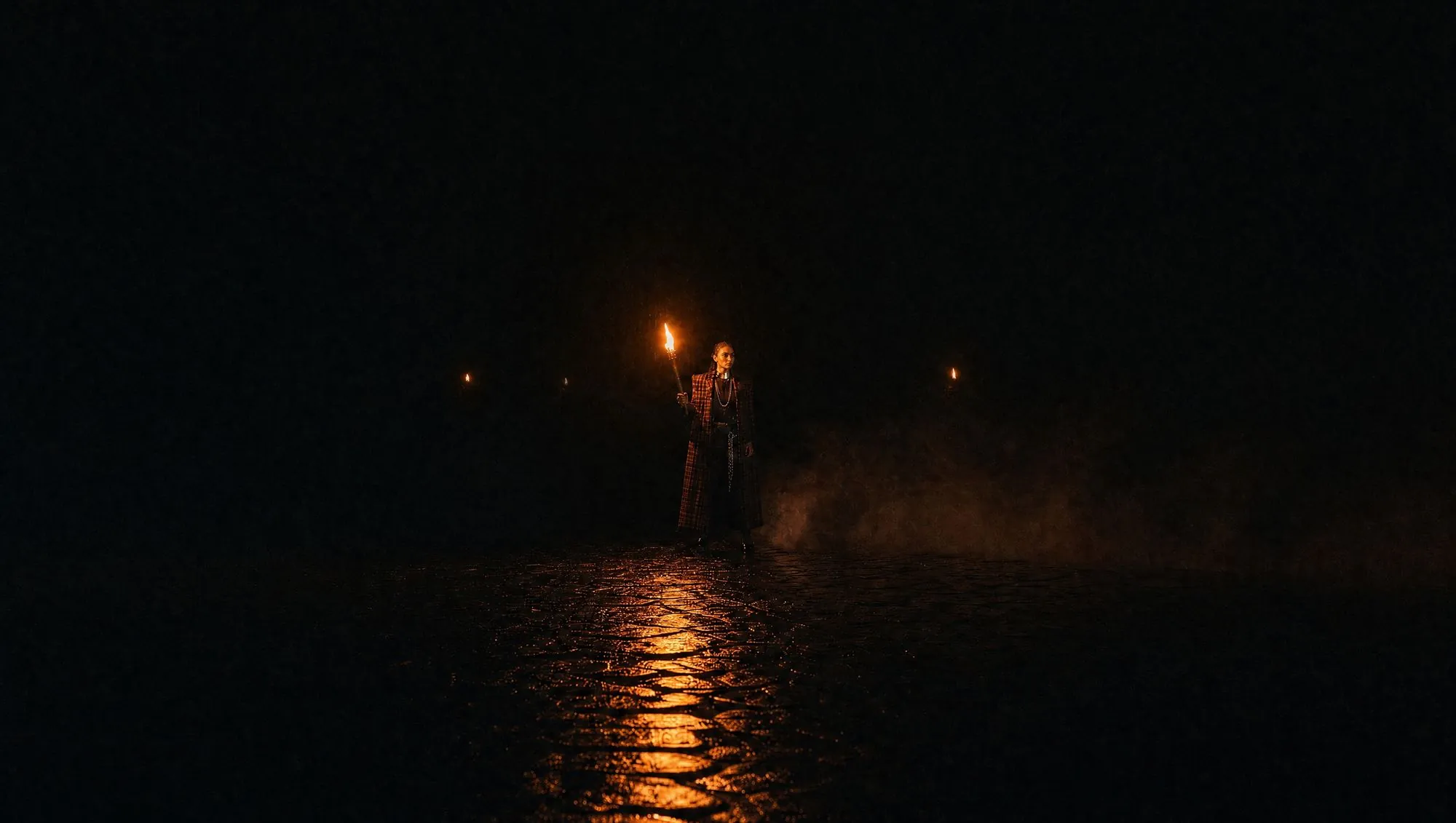
Sourced from Hobfolk's own operational record, dated and on file — see the other cases. Client identity is never named; the numbers and the root cause are not softened.
The permanent fix, not just the patch
A locked identity reference, not a prompt description
Wardrobe locked separately from the character
A written world bible, not just a character sheet
Finishing resolution decided up front, never upscaled
Every job logged, cost and lesson both
A human grades before anything ships
The sequence, in order
The character is designed and locked
Identity generated once as a reusable reference, not re-described per job.
The first drift is caught
Wardrobe changing between otherwise-consistent takes.
Wardrobe is locked as its own asset
Separated from the character reference so it stops being reinterpreted per shot.
Upscale artifacts are caught on two tools
A cheap draft, finished by upscaling, comes out visibly plastic on two separate vendors' tools.
The finishing rule is set
Draft cheap, always finish on a native render at the real target resolution.
A silent default is caught before it ships
One unset setting on a video edit had been quietly changing the frame shape and dragging the character off-model.
What this desk will not do
Where this desk stops
- It does not invent your brand assets. If the real logo cannot be found, it asks for it. A close-enough redraw is how a brand quietly becomes two brands.
- It does not sign anything on your behalf. No desk here does.
- It does not commit print spend. Quotes come to you; the order is yours to place.
Asked before, answered here
Does this use a client's real brand assets, or invented ones?
How do you actually verify consistency, rather than just claim it?
What happens when a generation just doesn't work?
This case belongs to the Studio desk
More from the record
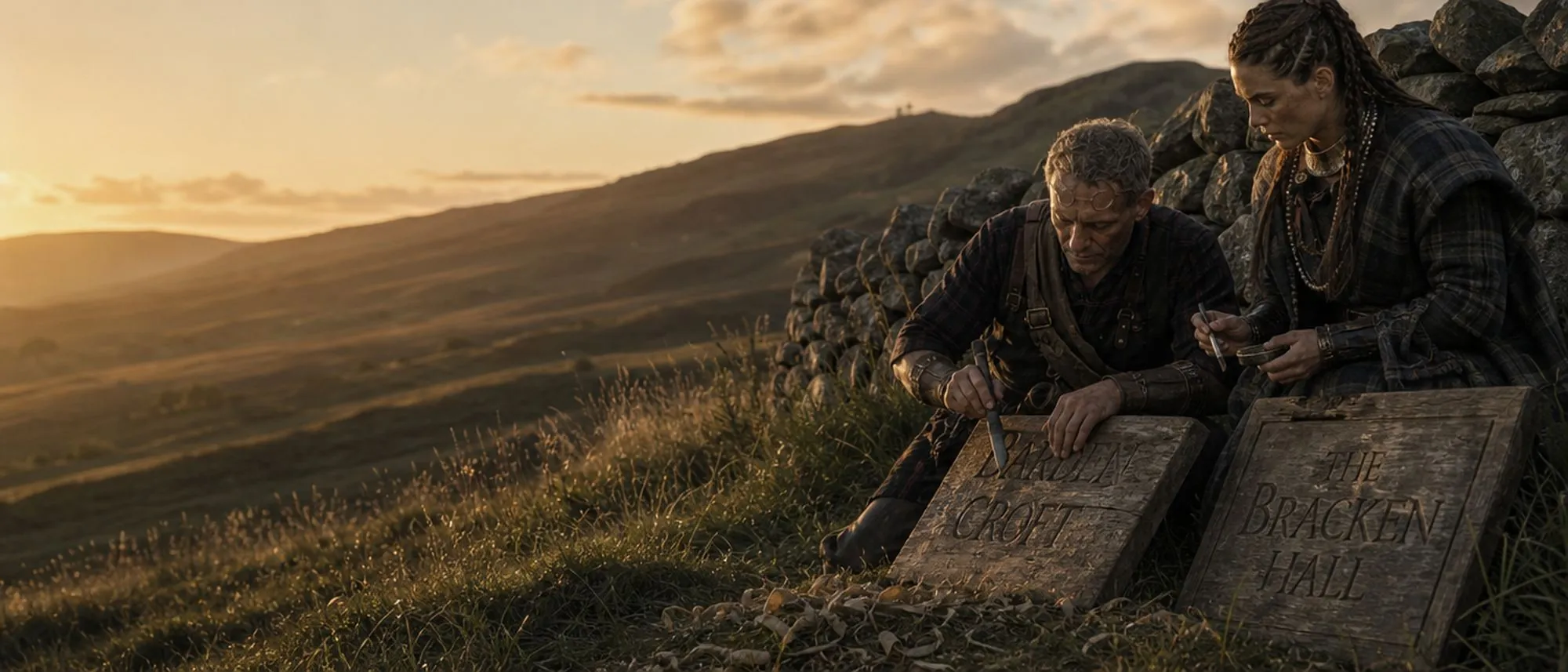
How many takes would your current process need to catch a wardrobe change?
Tell us the platform and the run length, and we'll tell you what breaks consistency at that scale.