
Everything that
carries your name.
The unglamorous production work that a company needs constantly and never has time to brief properly: the flyer for Friday, the signage for the unit, the deck for the tender, the site that has said the wrong phone number for two years.
Studio & materials
Three directions. One recommended. The reasoning written beside it.
A studio that shows you eight options is not being generous, it is refusing to have an opinion. This one gives you three at most, tells you which it would pick and why, and keeps the other two on file in case you disagree.
And it works from what you already own. Your real logo, your real colours, your real photographs — fetched from wherever they live, never redrawn from memory. A brand asset that gets re-created rather than retrieved is a brand asset that has started to drift.

Six things, every day, without being asked
Print and signage
Identity
Websites and landing pages
Product and project photography
Film
Documents that have to win something
Visualisations made to decide something
First the geometry, untextured
Clay, so the argument is the form and nothing else. Timber, colour and light come later and can hide a shape that is wrong.
Then the same model in the timber chosen
One model, re-lit and re-surfaced. The client picked their species off a set of these rather than off a word.
Option A — the value route
Bought-in steel spheres on a cut and drilled base.
Option B — the same object, made properly
Solid timber in a bespoke tray. Two pictures answer "how much cheaper could this be" faster than two paragraphs, and they answer it honestly.
Nothing leaves without a scale object in frame
A 1.5 m table reads as a coffee table or a conference table depending on what else is in the picture. So there is always something in it — a person, a mug, a bookshelf speaker.
The same rule, on a 190 mm plinth
Oak cylinders visualised in the room they are going into, with a speaker on top to fix the size.
A whole product range, before a single unit was filled
Every size, every variant and the shelf they sit on, visualised as one set. This is how a range gets signed off — and how the listing photography is planned — months before there is stock to photograph.
The same range, staged as the room it will sell in
Once the objects exist, the next question is what a wall of them looks like. Answering it in a render is the difference between ordering the right shelving once and ordering it twice.
This desk, already at work
What this desk knows
Print and large format
- Bleed, trim and safe area to the printer's own spec; overprint and knockout checked before it goes.
- CMYK separations and spot colours where a brand colour has to hold across substrates — a logo that drifts between a flyer, a vinyl and an anodised plate is three brands.
- Substrate and finish specified by where it will live: UV-stable inks outdoors, anti-graffiti laminate at hand height, matt where a spotlight will hit it.
Signage and environments
- Legibility distance and character height calculated rather than eyeballed.
- Contrast and wayfinding that hold up for visually impaired visitors, which in a public attraction is not optional.
- Fixing method, substrate and fire rating considered at artwork stage, because the answer changes the artwork.
Identity
- Marks built as geometry rather than a drawing, so a change is made once and lands everywhere the mark appears, at every size.
- Cuts for size — a seal that reads at 200 mm does not read at 16 px, and pretending otherwise is why so many favicons are grey mush.
- Your real assets are retrieved, never redrawn from memory. A close-enough redraw is how one brand quietly becomes two.
Moving image
- Short-form cut for each platform's real aspect ratio and safe areas, captioned, because most of it is watched muted.
- Project films and install timelapse from the footage you are already taking on site and never using.
Three directions at most, one of them recommended, and the reasoning written beside it. A studio that shows you eight options is refusing to have an opinion.
How a job moves through
The brief
Often two lines. The desk asks the three questions that are missing.
Your own assets
Retrieved from where they live. Never redrawn from memory.
Three directions
At most. With one recommended and the reasoning attached.
One is chosen
You pick, or you take the recommendation and say nothing.
It is worked up
Every size, every format, every place it has to appear.
It is filed
Where you can find it in two years, which is the part everyone skips.
What this desk will not do
Where this desk stops
- It does not invent your brand assets. If the real logo cannot be found, it asks for it. A close-enough redraw is how a brand quietly becomes two brands.
- It does not sign anything on your behalf. No desk here does.
- It does not commit print spend. Quotes come to you; the order is yours to place.
Four things, one office

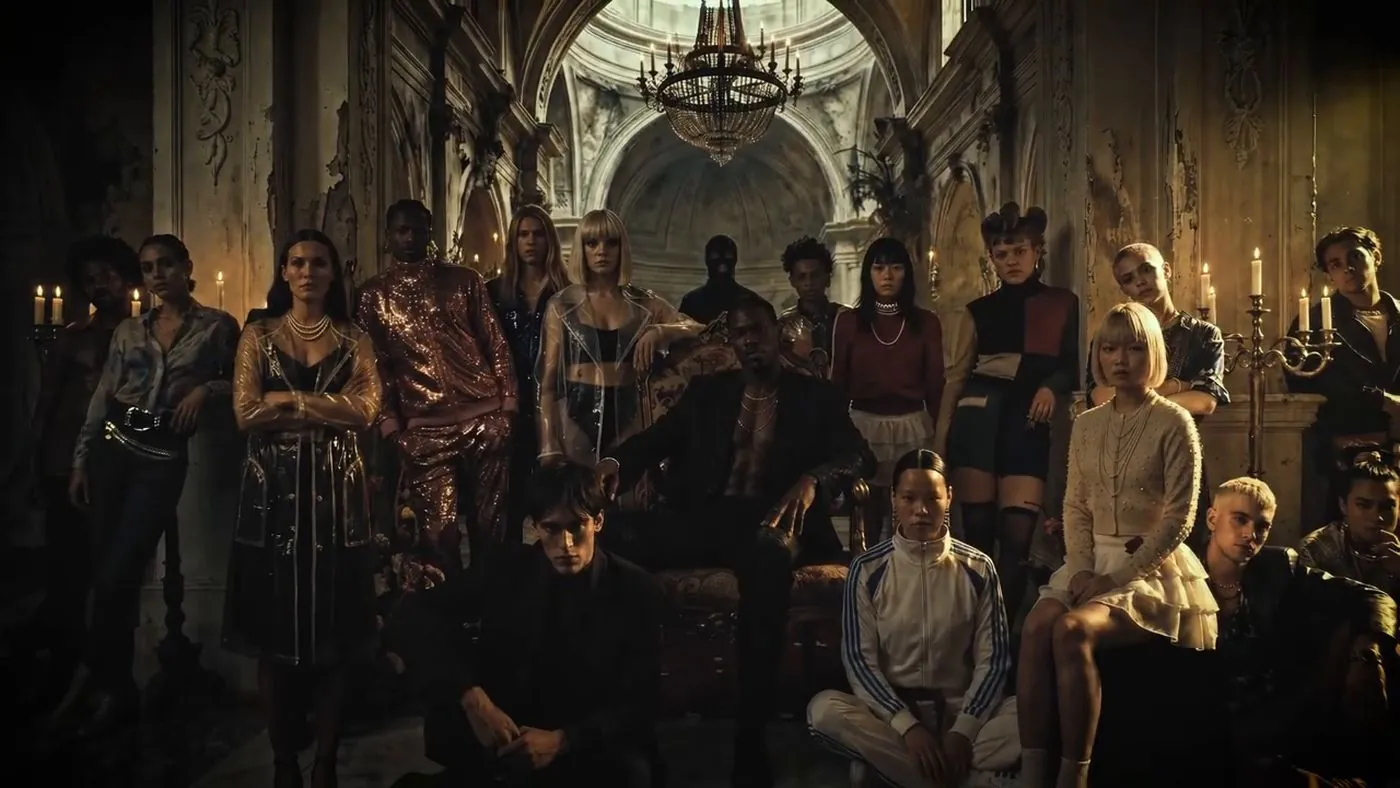

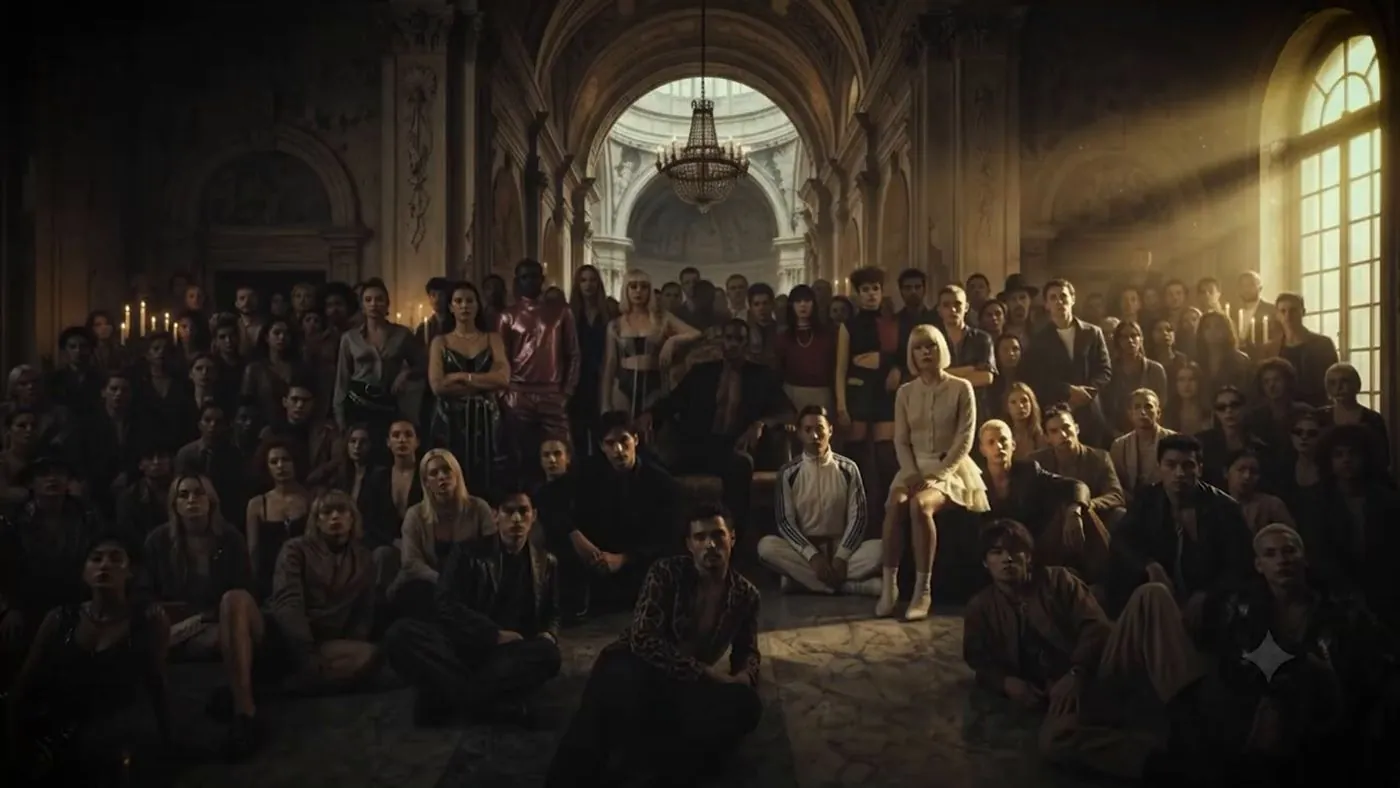
And one more, which you are reading: this site, its identity, its mark and the nineteen-shot film behind it were all produced by the same desk, in a week, alongside everything else it was doing.
Asked before, answered here
Do you work with our existing brand?
Can you handle print production?
How many revisions?
Project office & programme
Then the desk that runs the job all of it belongs to.
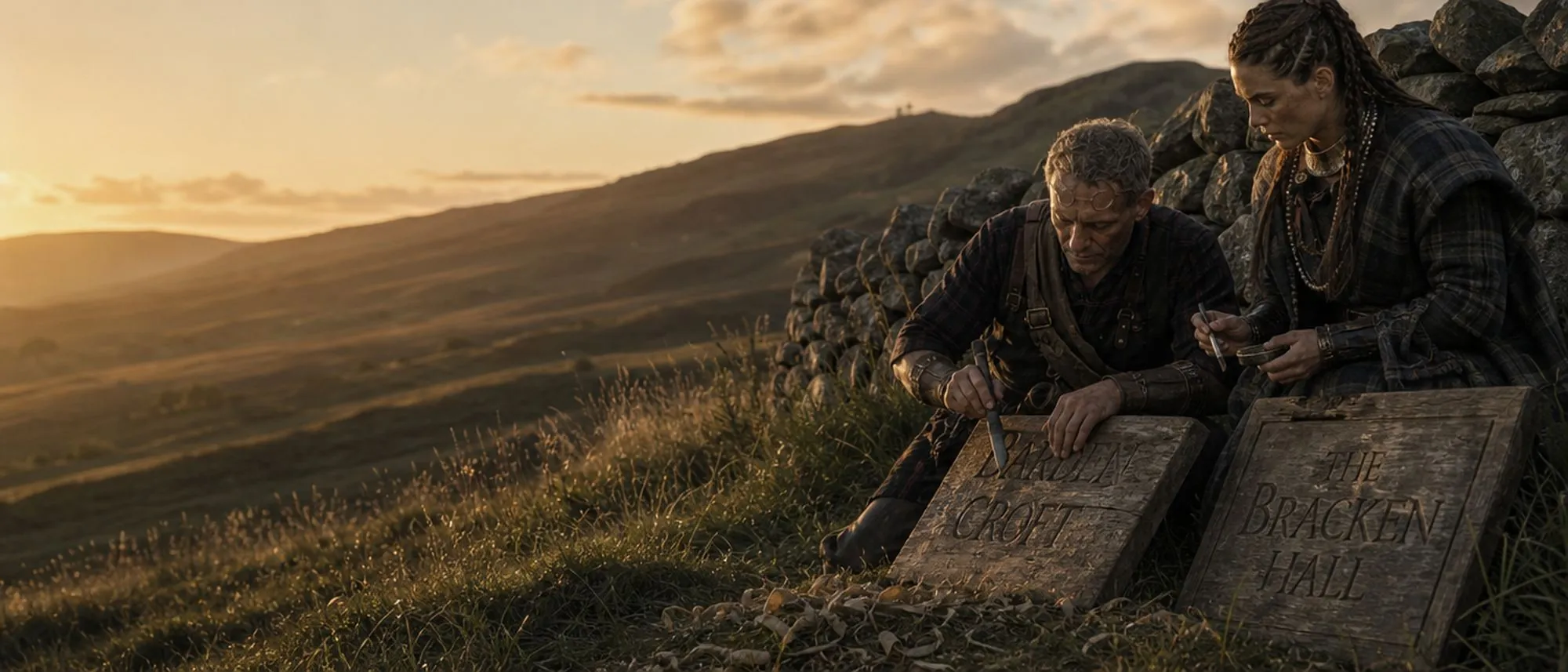
What carries your name and is out of date right now?
Tell us, and we will say whether this desk fits. A no is quicker for both of us. This desk on its own is from £1,450 a month, thirty days' notice either way, and the first month is a paid trial.