
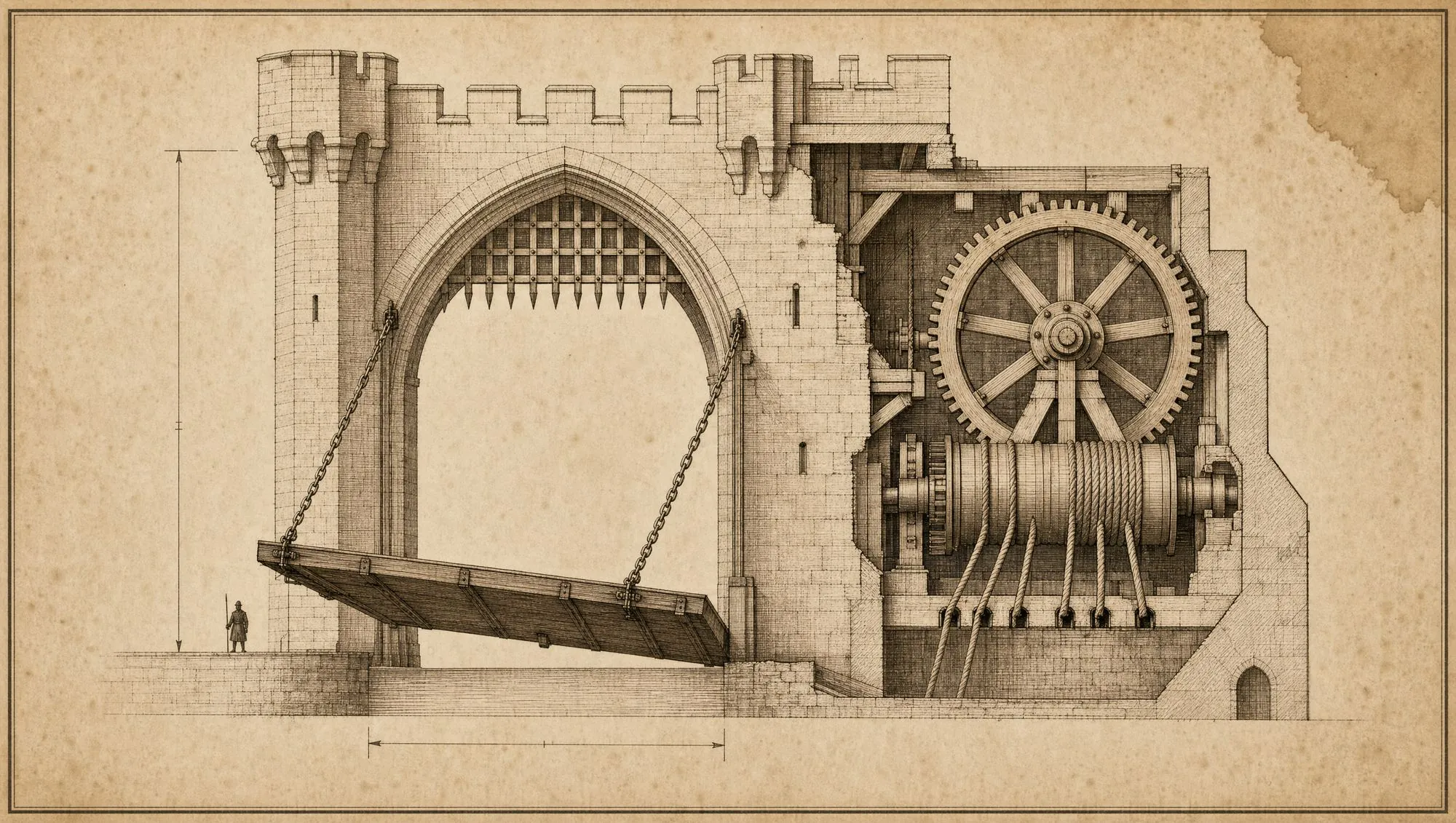
The drawing didn't just look right.
The wing moved.
A render can look correct and still be undriveable. The only way to know a mechanism actually works is to build it — so a design for a moving wing was taken from reference photography, through a dimensioned CAD model, to a physical prototype, and tested.
A design that had to move correctly, not just look correct
A drawing that only has to look right in a still image is a much easier drawing to make than one that has to move the way it claims to.
The brief was an animatronic prototype built around a real bird of prey's wing mechanics — reference photography of the living animal used to understand how the joints actually articulate, not just how the wing looks folded or extended in a single pose.
That reference was translated into a dimensioned CAD model built to be manufactured, not just rendered — every joint, linkage and range of motion specified as a real mechanical assembly rather than an artist's approximation. The model was then physically built and tested, and the mechanism moved as the drawing said it would.
That is the actual claim a drawing desk can make and the only one worth making: not that the picture is convincing, but that a real thing built from it works.
Sourced from Hobfolk's own operational record, dated and on file — see the other cases. Client identity is never named; the numbers and the root cause are not softened.
How it was made to work, not just to look right
Reference used for mechanics, not just likeness
A dimensioned model, built to be manufactured
Built once the drawing was proven, not before
Tested against real movement, not a still render
Revisions fed back into the drawing, not around it
A render is not the deliverable, a working thing is
The sequence, in order
Reference photography is gathered
Of the real subject, specifically for how it moves, not just how it looks.
A dimensioned CAD model is built
Every joint and linkage specified as a real, manufacturable assembly.
The model is reviewed before anything is cut
Agreed against the reference, not just against taste.
The mechanism is built
From the model, not adjusted freehand during the build.
It is tested against real range of motion
Checked against the same movement the original reference showed.
Anything the build revealed goes back into the drawing
So the CAD file stays accurate for the next revision or the next unit.
What this desk will not do
Where this desk stops
- It is not a signed-off engineering calculation. Where a structure, a load path or a regulated element needs a qualified engineer's stamp, this desk prepares the information and an engineer signs it.
- It does not send drawings to a supplier who has not signed a confidentiality agreement. Dimensions, quantity and finish can go out uncovered so a request for a price is never blocked. Pictures cannot.
- It does not present a render as a photograph. Ever, and in writing.
Asked before, answered here
Isn't a convincing render enough to sell a design?
Why start from photography of a real subject rather than a spec sheet?
Does this mean every drawing gets a physical prototype?
What happens when the build finds something the drawing missed?
This case belongs to the Drawing desk
Drawing & visualisation
A dimensioned drawing and a picture of the thing, back before the client has finished thinking about it.
Open the department Case studiesEvery case, in one place
Real, dated things that went wrong in the businesses this office already runs, and the fix each one produced.
See all the casesMore from the record

Has your last drawing ever actually been built and tested?
Tell us what it needs to do, not just look like, and we'll tell you what that changes about how it gets drawn.